Trans News Friday: Oregon’s Medicaid Countdown
In 11 days, federal Medicaid money for trans youth care stops flowing, and Oregon still hasn't said whether it'll cover the gap. Meanwhile, the Trump administration asked the Supreme Court to let federal prisons taper people off hormones, and trans Kansans spent the week in court explaining what it's like to lose your driver's license for being who you are. Here's what you need to know, and what to do about it.
October 13 Is Coming. Oregon Is Suing. Will OHP Cover the Gap?
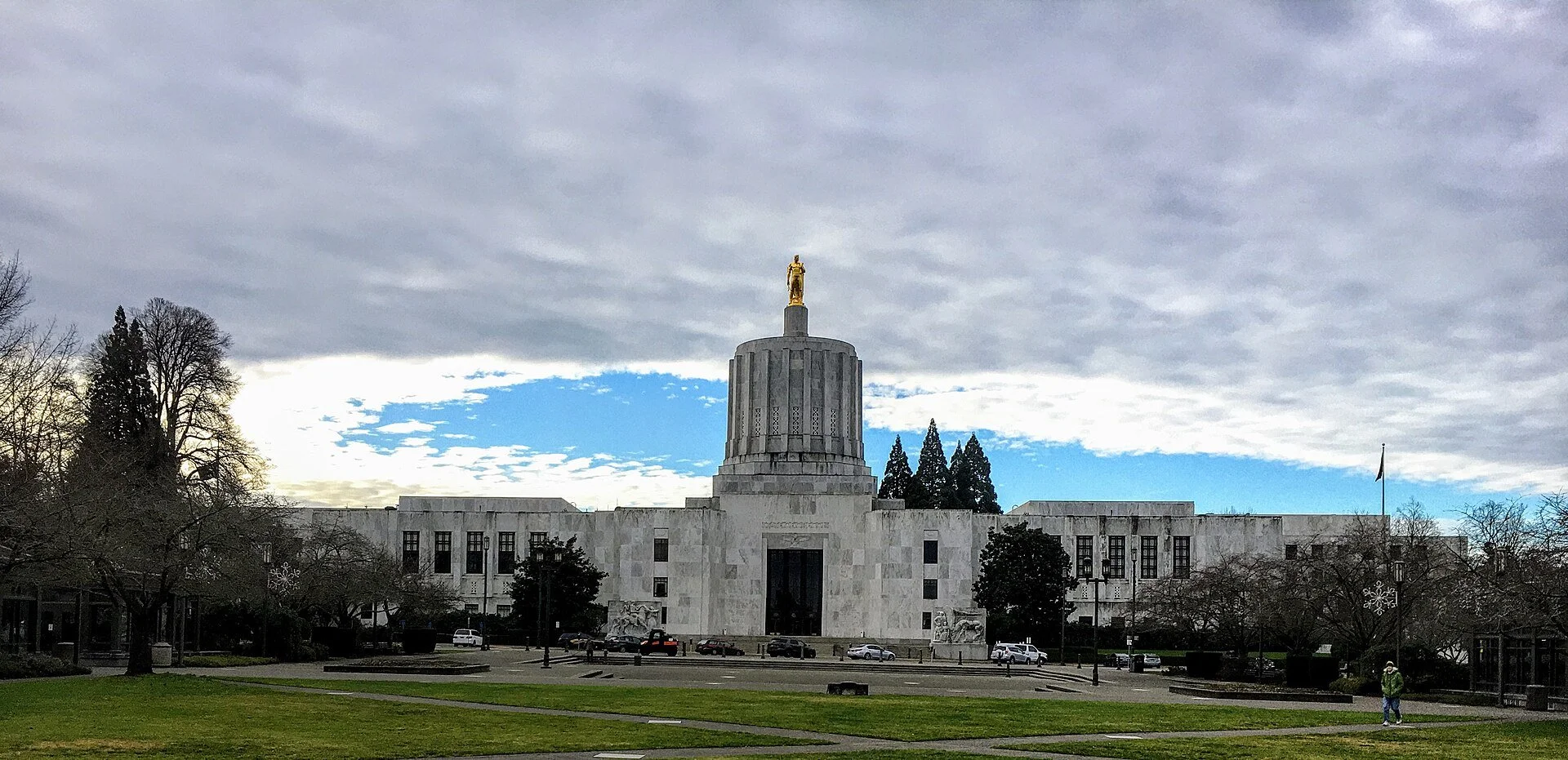
The Oregon State Capitol in Salem. Photo: Ocwarner541 via Wikimedia Commons, CC BY-SA 4.0
On October 13, a new federal rule cuts off Medicaid reimbursement for puberty blockers, hormones, and surgery for trans people under 18, and CHIP coverage for anyone under 19. Oregon Attorney General Dan Rayfield is part of a coalition of 21 states plus D.C. suing in federal court in Boston to stop it. Counseling stays covered, and according to GBH News, young people already in treatment keep federal support for six more months.
Here's the part that matters for Oregon families: the rule doesn't ban this care. It only stops the federal share of the bill, and states can still pay with their own money. Massachusetts, Maine, Vermont, California, New Mexico, and Maryland have all confirmed they'll keep covering it. Oregon wasn't on that list. As of this week, the Oregon Health Authority says it's still reviewing the rule and that nothing has changed for OHP members yet.
Oregon law already protects this care under the Reproductive Health Equity Act and 2023's House Bill 2002. Fighting in court is the right move. Families also need to hear, before October 13, that the state will pay.
Read Oregon DOJ's announcement →
Trump Asks the Supreme Court to Let Federal Prisons Cut Off Hormone Therapy

The U.S. Supreme Court in Washington, D.C. Photo: Noclip via Wikimedia Commons, public domain
The administration filed an emergency application in Trump v. Kingdom asking the justices to let a Bureau of Prisons policy take effect while the case continues. The policy would block new hormone prescriptions, taper people already on hormones, and take away accommodations like wigs and chest binders, leaving only mental health care. U.S. District Judge Royce Lamberth has kept that policy on hold since 2025 for a class of federal prisoners diagnosed with gender dysphoria.
The ACLU and Transgender Law Center represent the prisoners, and Chief Justice John Roberts ordered their response by October 8. This lands one week after the 9th Circuit struck down protections for trans women in Oregon prisons. Oregon's Sen. Jeff Merkley was one of the senators who wrote to the Bureau of Prisons this spring demanding it reverse course. Trans people behind bars are still our people, and the outside world is often the only check they've got.
Read the full story at Washington Blade →
Trans Kansans Take the Stand Against the Law That Voided Their Driver's Licenses
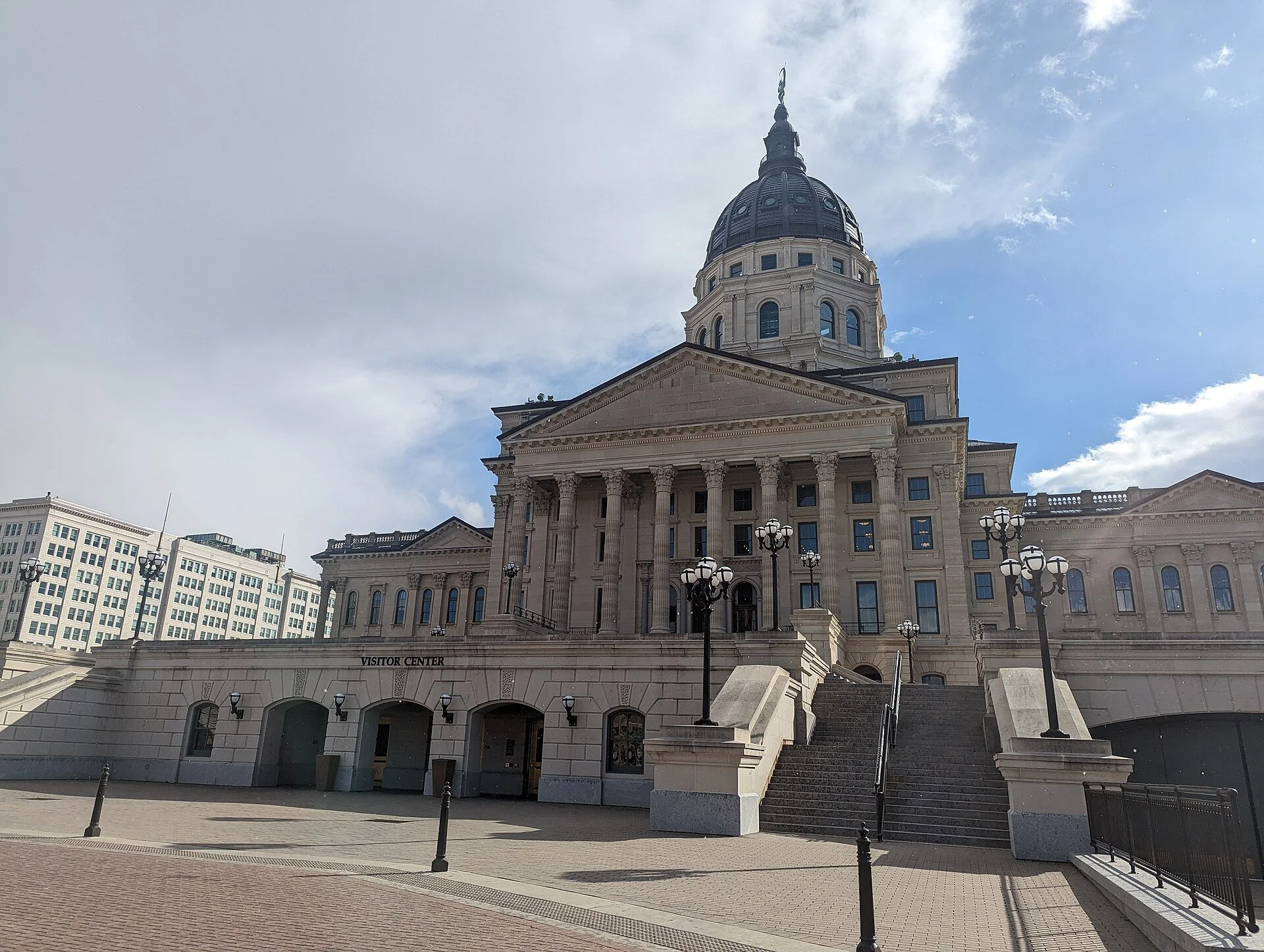
The Kansas State Capitol in Topeka. Photo: Elli via Wikimedia Commons, CC0
Kansas passed SB 244 in February over Gov. Laura Kelly's veto. It invalidated driver's licenses with updated gender markers and requires people to use restrooms on government property that match their sex assigned at birth. This week, four trans men and one intersex woman testified in Douglas County about what that's done to their lives: surrendering licenses, getting outed every time they show ID, and in one case walking seven minutes to another building just to find a restroom they're allowed to use. Attorney General Kris Kobach called it an "inconvenience."
The ACLU is asking Judge James McCabria to block the law while the case goes forward. He declined in March, saying he needed more real-world examples. Now he's got them. Testimony runs through October 2, with legal arguments October 7. In August, the same judge temporarily restored one Lawrence trans woman's license, which is a hopeful sign. If you're in Kansas and weighing whether to stay, you don't have to figure that out alone.
Read the full story at Lawrence Journal-World →
This blog is free. The work behind it isn't.
If WERQ TOGETHER serves your community, power us forward.
More This Week
HHS is still trying to make gender-affirming care look dangerous instead of making it safer. NPR dug into an HHS report claiming support for this care "may" be tied to political violence. The report wasn't peer reviewed, its data and funding haven't been released, a co-author works for the right-wing Manhattan Institute, and a Johns Hopkins political psychologist told NPR she'd recommend rejecting it. Down in California, Gov. Gavin Newsom signed six LGBTQ+ bills on September 26, including AB 1930, which makes it harder for out-of-state investigators to get the medical records of people who got gender-affirming care in California. He also vetoed AB 2164, which would have blocked extradition of people who provide that care, and advocates aren't happy about it. And in Georgia, a federal judge dismissed Riley Gaines' lawsuit against the NCAA, ruling Title IX doesn't apply because the NCAA doesn't take federal funding. Gaines says she'll appeal.
For anyone eyeing Canada, know that it isn't one policy coast to coast. Alberta bans puberty blockers and hormones for trans kids under 16, and it used the Charter's notwithstanding clause to shield that ban from court challenges. In response, Saddle Lake Cree Nation is moving to become a safe haven for gender-affirming care, citing the medicine chest clause in Treaty 6 and planning to recruit doctors to provide care on its land. Indigenous sovereignty showing up for trans and Two-Spirit kids is the kind of news we need more of. Across Europe and Canada, we haven't seen any changes this month that make asylum easier for trans Americans, so talk to an immigration attorney before you make plans.
What This Means for Portland
If your kid gets gender-affirming care through the Oregon Health Plan, don't wait for October 13 to find out what happens. Call your coordinated care organization (CCO) now and ask, in writing if you can, how they'll handle prescriptions and appointments after the 13th. If you don't know your CCO or can't get a straight answer, call OHP Client Services at 1-800-273-0557 or the OHA Ombuds Program at 1-877-642-0450. Then call or email Gov. Tina Kotek and your state legislators and ask one simple question: will Oregon use state funds to keep this care covered, the way six other states already said they will?
Kansas is also a reminder of what Oregon still gets right. You can update the gender marker on your Oregon driver's license, and nobody's coming to take it back. If you're helping someone move here from a state like Kansas, getting their ID updated is one of the first steps toward feeling safe. Trans Oregon has step-by-step guides for name and gender marker changes in every Oregon county.
What This Means for Our Work
When a state voids your ID and polices where you can pee, some people decide it's time to go. That's what TRFAN, our emergency relocation program, is for. Once people land in Portland, Safe Haven Home Share helps them find housing with people who've got their back, and our team walks them through name and gender marker changes. Our Peer Support Services team helps families make sense of OHP changes, make the calls, and find care, alongside partners like Dian's Well, Folktime, and The Peer Company. And Trans Town PDX keeps doing what it does best: reminding all of us that we're not doing this alone.
Take Action
Get this in your inbox every Friday. Subscribe to the WERQ TOGETHER weekly for trans news, Portland resources, and community updates.
Looking for resources? Trans Oregon has step-by-step guides built by and for trans Oregonians.
Power this work. Every dollar keeps peer support, emergency relocation, and community infrastructure running in Portland.
If You Need Support
Trans Lifeline: 1-877-565-8860
Trevor Project: 1-866-488-7386
988 Suicide & Crisis Lifeline: call or text 988
For peer support in Portland: Dian's Well, Folktime, The Peer Company. Peer support from WERQ TOGETHER: get support.